Načítava sa…
History
History of the house and the association
The house at Kapitulská 1 (national cultural monument no. 11423/0) – originally a canon's house – stands in the city's monument reserve, in the oldest part of Bratislava's historic core, in its north-western section. It lies between the eastern slope of the castle hill and a 12th-century settlement that arose even before the city walls were built. Kapitulská Street may have been partly the axis of this settlement, as confirmed by finds of monumental stone architecture – the one- and two-storey houses built on Kapitulská Street in this period.
Even at that time most of the local population were clergy – priests, provosts and canons – which is why this part was called Platea presbyterorum, or Pfaffengasse. The house at Kapitulská 1 (then Kapitulská 30) was a canonical benefice. On its eastern side the house borders the former convent of the Poor Clares; on its western side a tall street wall separates it from Kapitulská Street. The house itself faces the garden, following a west–east axis.
Type of building
Today the building is a single-wing, cellared house with two above-ground floors. It is a simple block structure with a projecting bay (risalit) set into the courtyard roughly in the middle of the southern façade. The house grew by the gradual accretion of masses in two directions – eastward towards the convent of the Poor Clares and westward towards Kapitulská Street. It has a shed roof.
Stylistically the building brings together elements of the Gothic, Renaissance, Baroque and Classicist periods. In its present form it represents the sum of its own structural development in an architecturally unified expression, preserving stylistic details from its origins to the present day. The cellars show Gothic elements, the ground-floor interior is predominantly Renaissance–Baroque, and the upper floor is Classicist.
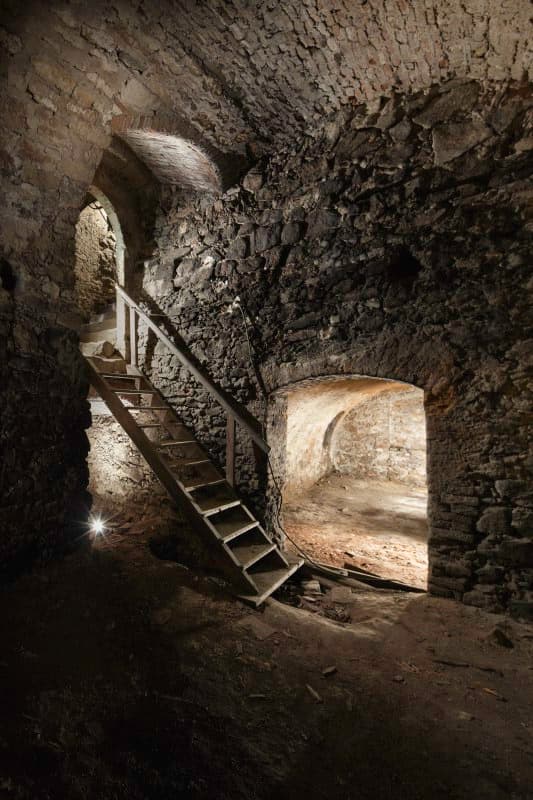
The building has seven vaulted cellars on two height levels; the vertical walls of the cellars are built of mixed masonry, predominantly stone, and the barrel vaults are of brick – except for the oldest space, which has a stone vault. The first above-ground floor consists of seven rooms in a row plus the spaces in the bay. Five of the rooms are set about 1 m below the level of the courtyard (garden), while the remaining two have floors level with the terrain of Kapitulská Street and the garden. The ground-floor rooms are covered with cross and barrel vaults with lunettes. Their windows face south, towards the house's garden. The interior of the second above-ground floor consists of nine rooms. These rooms, which until recently formed two apartment units, also have their windows – with the exception of the westernmost room – facing the garden, that is, southward. The street façade is treated simply, without decorative articulation. The gable wall follows the shape of the shed roof, and towards the south the façade of the house joins directly the wall enclosing the plot. The courtyard façade is likewise simple, articulated only by the south-facing bay in the middle of the wing.
The cellars of the house
Values
From a historical and architectural point of view the building contains a number of valuable stone, wooden, plaster and painted details and features – a Gothic cellar portal from the 14th century, two Gothic window jambs probably from the 15th century, vault ribs from the 16th and 17th centuries, a Baroque cellar portal from the courtyard from the 18th century, a Baroque sill cornice, a courtyard portal from the 19th century, a door from the late 19th century, painted decoration from the late 18th and early 19th centuries, window fittings with shutters from the late 19th century, and others.
Forms of the house
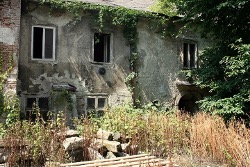
The original medieval, partly sunken house
The oldest part of the building (from the late 13th century) is a medieval, partly sunken pit-house with a projection, placed inside the plot off the street axis (today the cellar space beneath the central bay). It was built of irregular stone masonry. In the 14th century a barrel vault replaced the house's beamed ceiling and a stone portal was added in the southern wall. The newly created high vaulted room probably served as a wine cellar. The 15th–16th-century stage is characterised by an extension to the cellar and a two-storey superstructure. The building acquired the character of a fully cellared, two-storey, three-space block, which absorbed the original sunken house into its mass. The above-ground floors were built of irregular stone material, only slightly combined with brick. In the central section there was probably a smoke kitchen. The ground level was then about 1 m lower than it is today. In the 16th century the bay was added to the building; in the 17th century the building was extended westward to the present street line. The ground floor of the extension was lit by a window onto the courtyard and probably also by two windows onto the street (today walled up). The rooms were vaulted. The boundary wall between the plot and the street was also built. The eastern cellared two-storey extension, which connected the building with the convent building of the Poor Clares, was added in the second half of the 17th century. It also included four cellar spaces. The extension had only one room with a utility function on the ground floor, and its upper floor likewise comprised only one space. The 18th century brought only minor alterations – vaulting of the ground floor in the bay, the insertion of a new portal in the ground-floor room of the eastern Baroque extension, and the building of a brick staircase to the cellars. The Classicist and Historicist period (late 18th century – second half of the 19th century) no longer brought any fundamental structural changes. The ground- and upper-floor spaces were divided by partitions, windows and doors were enlarged, ceiling heights were unified, decorative paintings were added, and the roof truss and roofing were replaced. The ridge of the shed roof was raised by about 60 cm and a staircase to the attic was built along the convent. Wooden shingles were used as roofing. In the 20th century the building underwent utilitarian alterations – replacement of floors, ceilings and window fittings and the creation of technical infrastructure (gas, electricity and heating). Over the past 100 years the building has been re-rendered several times; during these renovations historic plaster was removed over large areas.
Surroundings of the house
The first archival mention of Kapitulská Street, on which the house stands, dates to 1249. According to Ladislav Šáško it may have arisen around the original suburb below the castle as early as the first quarter of the 13th century. After the town was founded at the end of the 13th century, the street came to lie within the area fortified by the city walls. The street originally recorded 14 members of the chapter, a number that gradually decreased. The neighbouring houses (north and south) of the so-called Albrecht House belonged to the town (Domus Civitatis) and to the convent of the Poor Clares (Domus Virginum s. Clarae) respectively. In 1515 and 1590 great fires swept the whole of Kapitulská Street and most of the houses burned down. The canonry at Kapitulská 1 is mentioned in connection with the construction of the Poor Clares' convent in 1634, in relation to the terms and agreements concerning the future neighbourhood of the buildings.
Residents of the house and records on maps
Canonical houses enjoyed the privileges of free curiae and the right of asylum, the right to sell their own wine, and exemption from taxes. For this reason the town's tax registers record them only for evidence purposes, and data about the house's residents are missing. The house is listed as Domus Capitularis, meaning it was owned by the chapter. From the visitation of Péter Pázmány in 1626 we know the names of the chapter dignitaries, but their residences are not assigned to them. Nor do the maps of Bratislava of 1765 (the so-called Marquart plan), 1780, or the architectural plans of architect Tallherr from 1783 for the conversion of the Poor Clares' convent for the law academy provide more information about the building. The outline of the building's footprint appears only on the plan of Bratislava of 1820, the so-called Neyder plan, and later on the plan of 1894.
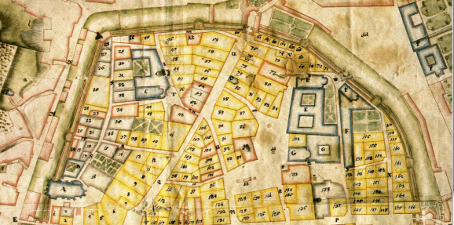
The Marquart plan of Bratislava
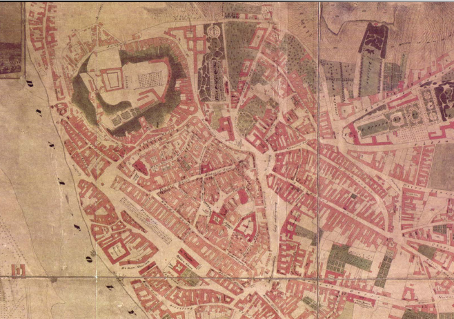
The Neyder plan of Bratislava (detail)
(Based on the architectural-historical survey by Mgr. Eva Sabadošová, 2004)
Timeline
Restoration of the house 2010–2025
2025
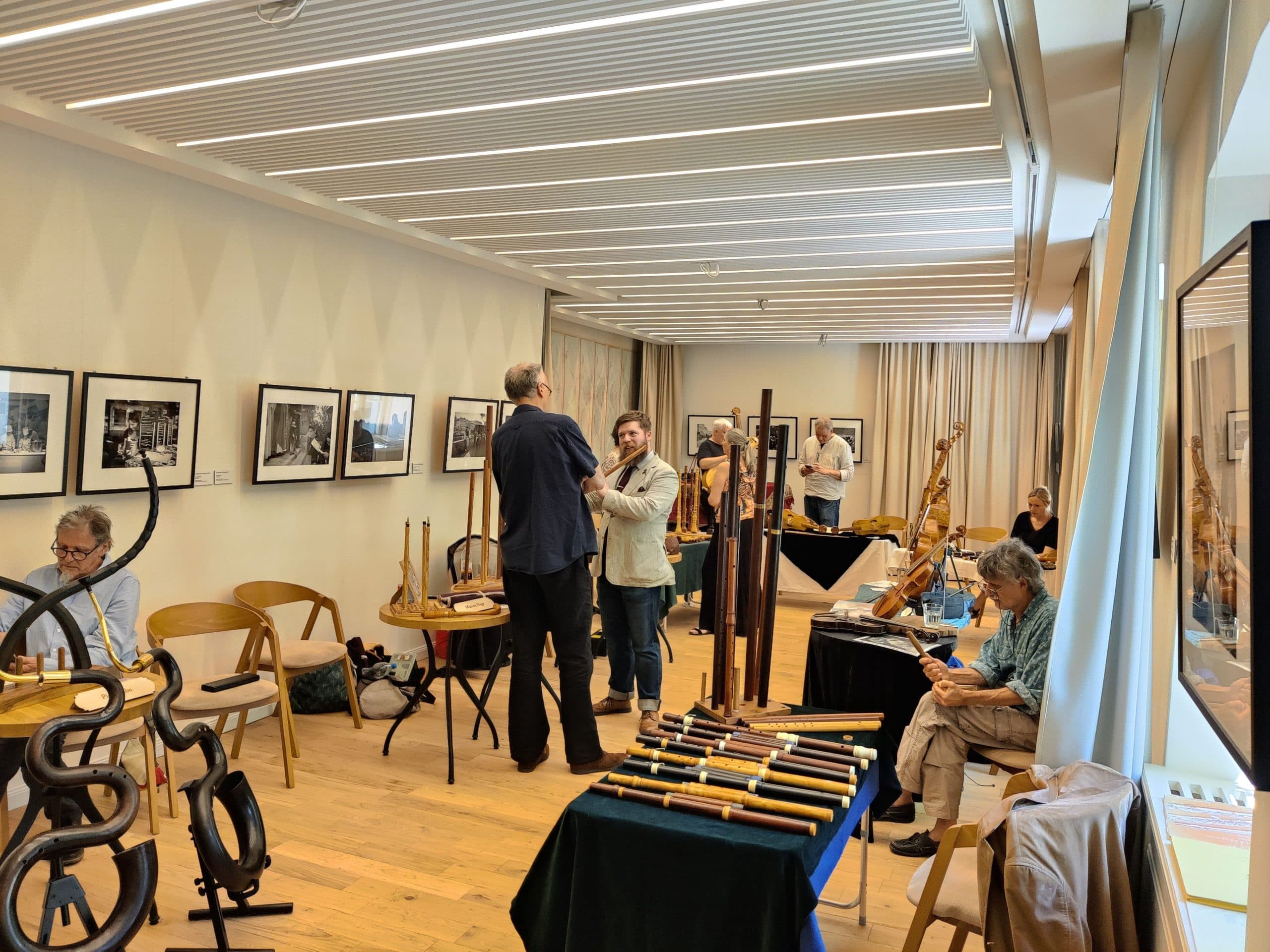
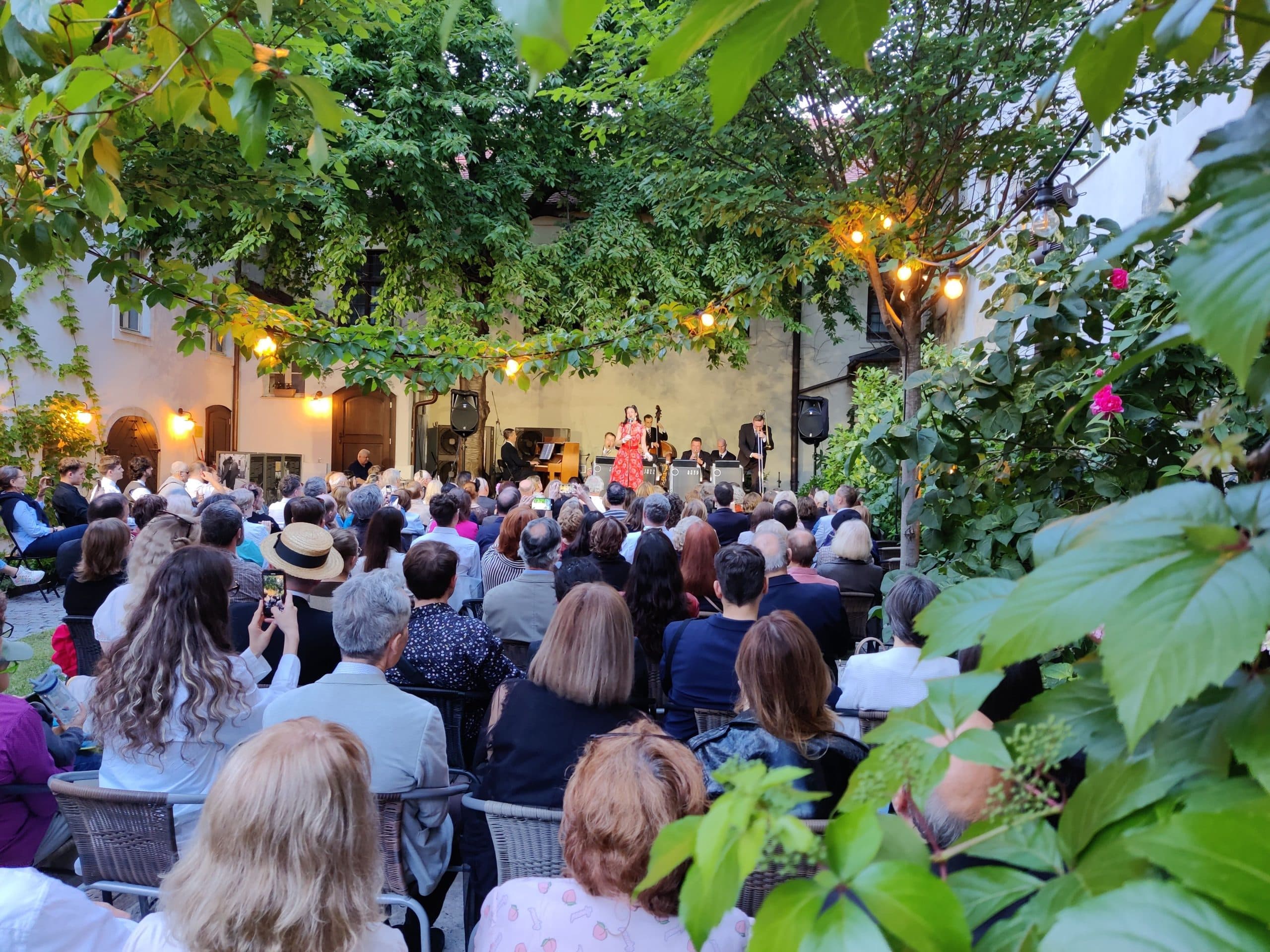
On the ground floor, we worked on the interior furnishing of the café, we installed a service counter, chairs, tables, benches, and lighting, we finished the staircase to the 3rd floor, supported columns in the attic, and we prepared the space for the coworking facility. In May, we set up a library inherited from music historian Ladislav Kačic in the former office of Jan Albrecht, and in June, we organized our first exhibition - Parisian Life - by photographer and friend Pat Callahan, which thematically corresponded with our Domus & Hortus artis 2025 festival. It was dedicated to French music and its influence on other European cultures, including Slovak. The festival featured dozens of national and international artists in 16 concerts, presenting works by 69 composers, 29 of them French and 6 Slovak. On the summer stage, Lash & Grey, Fats Jazz Band performed, Simona Šaturová conducted summer singing courses, o.z. Albrechtina and J. K. Festival. Mertz presented their concerts, workshops, and master classes. We have organized or co-organized nearly five dozen events, including an exhibition of historical musical instruments, and we have prepared a programme for 2026, dominated by the theme of The unplayed and the unknown. We were supported by FPU, Bratislava-Staré Mesto, Bratislava City Foundation, SOZA, HF, French Institute, Polish Institute, and BKIS. Bratislava-Staré Mesto awarded Ján Albrecht in memoriam with the highest award of the municipal district - the Richter Jacob Award. We thank all who supported us!
2024
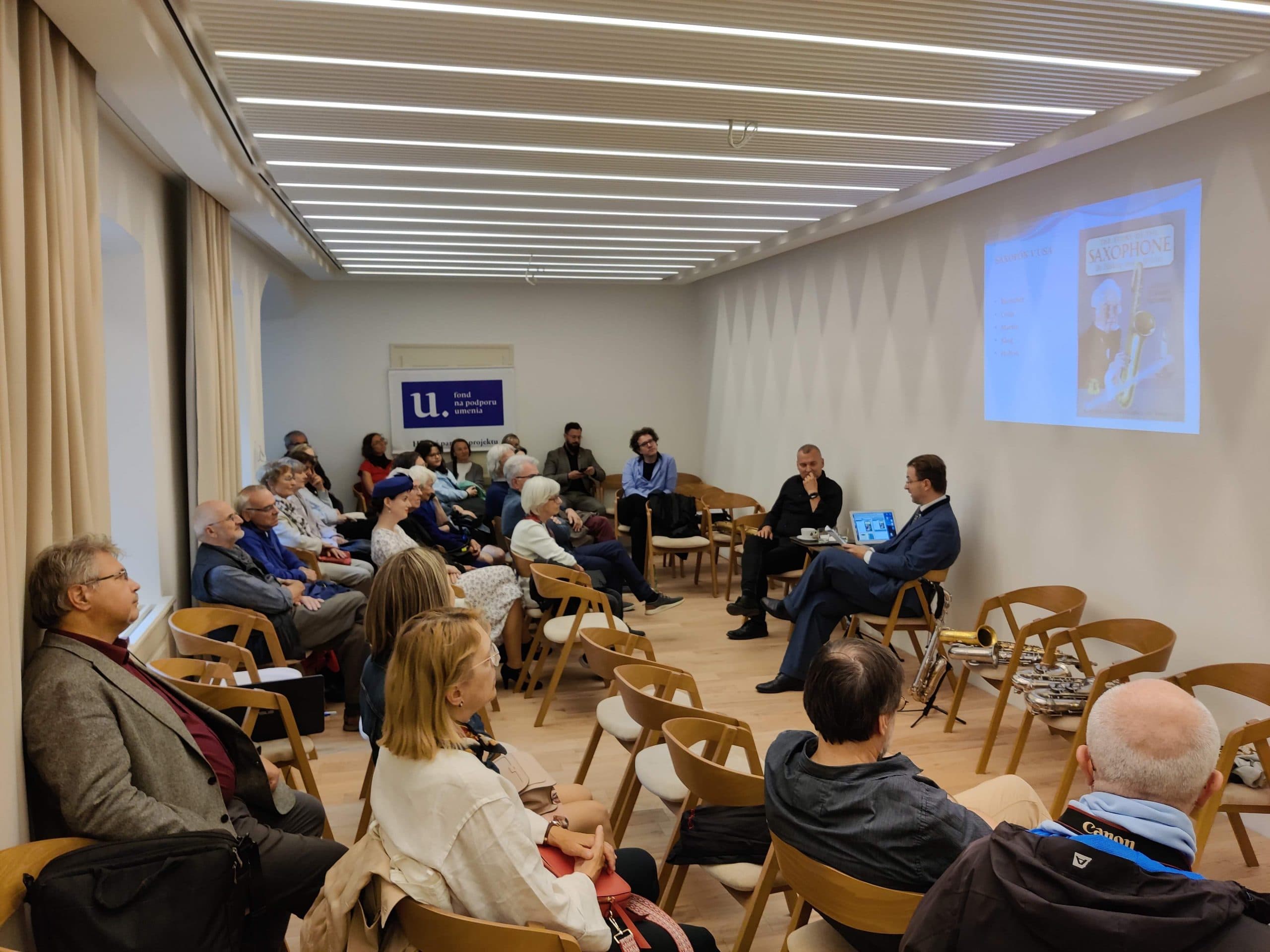
In 2024, thanks to a fundraiser on the Donio portal, we purchased equipment (chairs), acoustic curtains, and lighting for the concert hall, and partially financed a small concert grand piano. We renovated the ground floor to its final form, installed radiator covers, commissioned and implemented the construction of an interior staircase between the 2nd and 3rd floors, made cladding for the chimneys inside the building, restored the thresholds, renovated the interior mirror wall, painted the interior staircase, and more. We launched new music projects – we established a chamber music festival inside the building – Domus Artis, which focuses on chamber music with piano, we continued with the Hortus Artis garden festival, and we launched a series of lectures, discussions, workshops, and master classes within the Salon Artis format. We regularly hosted partner associations Albrechtina, the J. K. Mertz Society, the Association of Slovak Composers, the Society of Friends of Good Music, Stále dobrí, n.o., More than 50 events took place in the house and garden, and the house finally began to live as our and your cultural center. We would like to thank our partners: FPU, BSK, Bratislava City Foundation, SOZA, Music Fund, Polish Institute, Czech House – Czech Center in Bratislava, Spanish Embassy, numerous individuals, donors, volunteers, supporters, and visitors to our events! Despite the unprecedented situation in culture, we are not losing our enthusiasm, hope, and conviction that we must move forward. Culture is here for us, and we are here for culture!
2023
The year 2023 was a year of intensive work in the interior of the house: we insulated the roof of the building, completed and made functional the sanitary facilities in the house, had a feasibility project for the future café drawn up, completed the installation of the electrical wiring, levelled the floors before laying the wooden floors, and made the final adjustments to the vertical structures on the 2NP, commissioned the construction of the acoustic ceiling and floor in the concert hall, installed sanitary fittings throughout the building, commissioned the heating system throughout the building, fitted new doors on the 3NP and restored and installed the arts and crafts repaired original doors on the 1NP and 2NP. Our fourth annual Hortus Artis summer festival featured artists from Slovakia, the Czech Republic, Austria, the Netherlands, Germany, and Sweden; we performed a number of works by Slovak composers and composers, bringing to life music from centuries past in our area and the rest of Europe. As in previous years, in 2023 we were supported by the Fund for the Support of Arts, the Bratislava Self-Governing Region, the City of Bratislava through its foundation and SOZA. The grant of the VÚB Foundation for the finalisation of the chamber concert hall and the Albrecht family memorial room helped us immensely. Without their help we would not be here, thank you!
2022
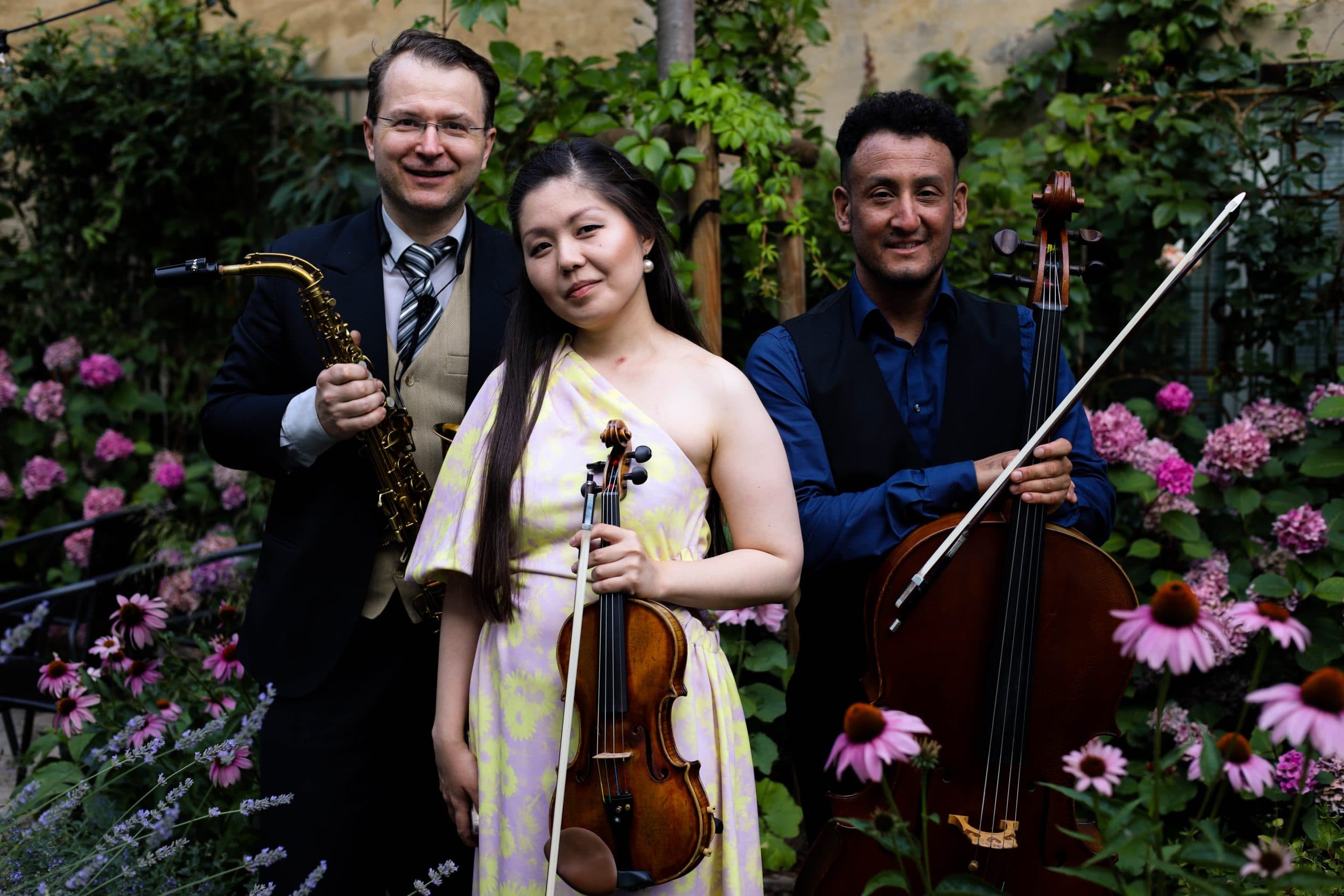
In 2022, we continued the general reconstruction of the Albrecht House - we finalized the ceilings in the small exhibition room on the 2nd floor, we put into operation the heating with heat pumps, bathrooms on the 1st floor, we planted a green roof on the gazebo, we had an acoustics study and a project for the interior of the chamber concert hall designed. Musica aeterna gave concerts in the house, we were part of the Open Parks and Gardens Weekend in June, we hosted masterclasses during the J. K. Mertz Guitar Festival, we hosted the 3rd Hortus Artis Chamber Music Festival, the space of the house and the garden was addressed by several filmmakers, Martin and Radka Krajčovci, Lash&Grey, Fats Jazz Band, NUDE Theatre, Konvergencie Festival, Stále Dobri and other performers and artists performed here again. Our events and programs were supported by the Slovak Art Council, SOZA, the Music Fund, the Bratislava City Foundation, the Bratislava Municipality, and many individuals. We are very grateful to all of them! We are moving on.
2021
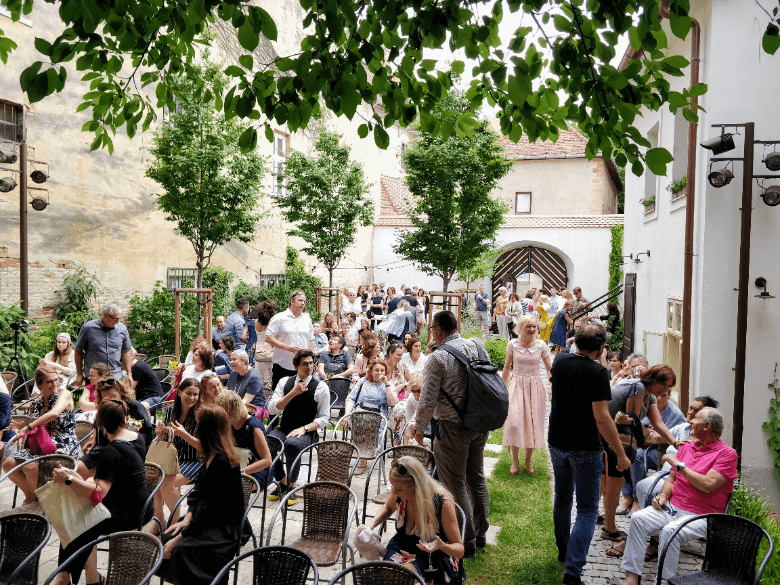
The Albrecht House began to live a busier artistic life. We organized the second year of the chamber concert series in the garden of the Albrecht House Hortus Artis 2021. We were visited by Konvergencie festival, the J. K. Mertz Guitar Festival, Opera Aeterna project, Viva Musica! Festival, NUDE theatre, Lash&Grey, Fats Jazz Band, Novum Foundation, author readings (Eva Borušovičová, Silvester Lavrík), Music at Fulla's, and others. We were again part of the Weekend of Open Parks and Gardens event. The garden became a place of relaxation, absorption of artistic expressions, and reflection. With the financial help of Bratislava Self-Governing Region, we completed the reconstruction of the heating system, Bratislava - Staré Mesto financially supported the construction of a gazebo with a green roof, Hortus Artis was organized thanks to the support of the main partner of the project Slovak Art Council and contributions from the Music Fund and SOZA. More than 150 people contributed to the 2020/2021 fundraising campaign by buying different artistic objects and through donating money. Thank you!
2020
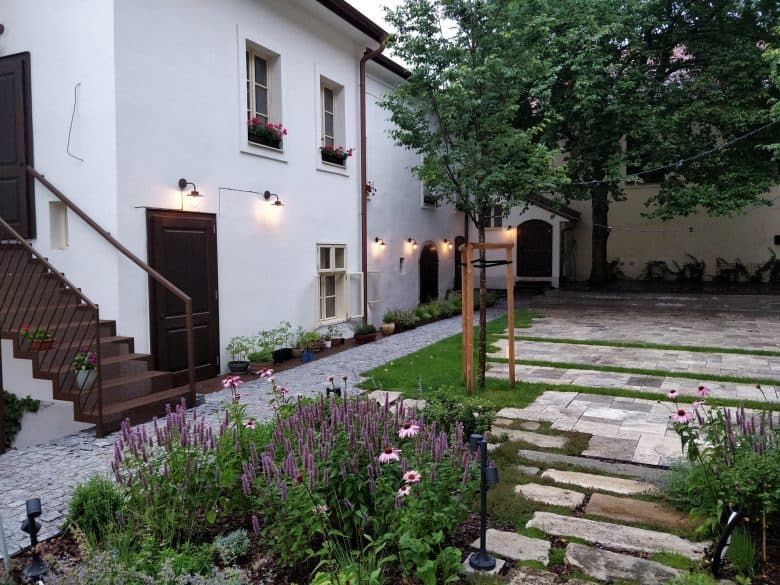
We continued to reconstruct the exterior, design the roof insulation, respond to grant calls, and apply for support to the Bratislava City Foundation, the Bratislava Self-Governing Region, the Ministry of Culture of the Slovak Republic, SOZA, the Music Fund, and the Slovak Art Council. Applications for financing the Hortus artis event were supported - 8 chamber concerts in the garden of the house, and the Ministry of Culture of the Slovak Republic and the Bratislava City Foundation contributed to the repairs. The COVID-19 pandemic has affected cultural life. We responded by preparing a fundraising campaign and launching a donation program, the details of which can be found in other sections of this website.
2019
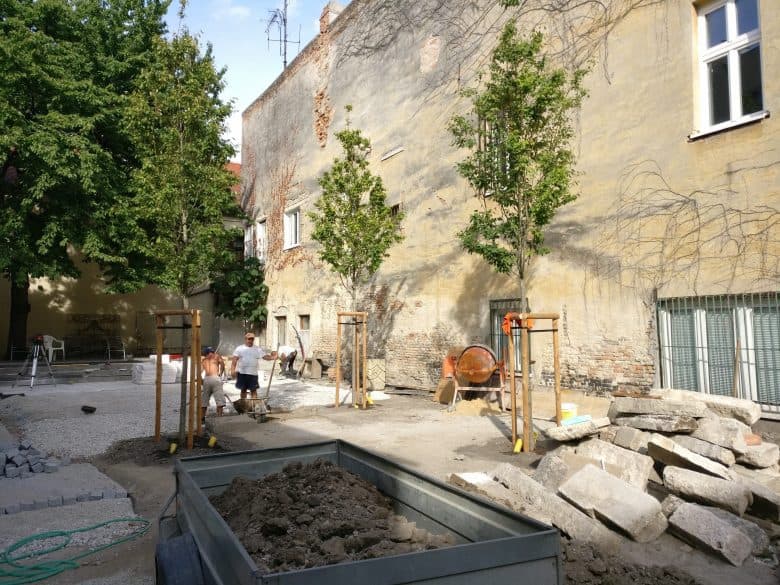
For future memorial spaces, we borrowed the original furniture of the house from the time of the Albrecht family. We replaced all the exterior doors and had the interior doors crafted. Lenka Hlubinová completed the project of revitalizing the garden and at the end of the summer, we set up the garden. Architects Katka Šimončičová and Eva Šperka completed the entire interior design of the house, we put a part to be produced. Archaeological research continued - this time in the garden area and at the place for the retention tank for rainwater collection and watering. In the courtyard, which turned into a garden, we co-organized an event as part of the One World festival. Michal Hvorecký hosted Sacha Batthyany, and the duo Plaisirs de Musique performed in a concert. As in other years, Zuzka Godárová presented the house on guided walks through Bratislava this year.
2018
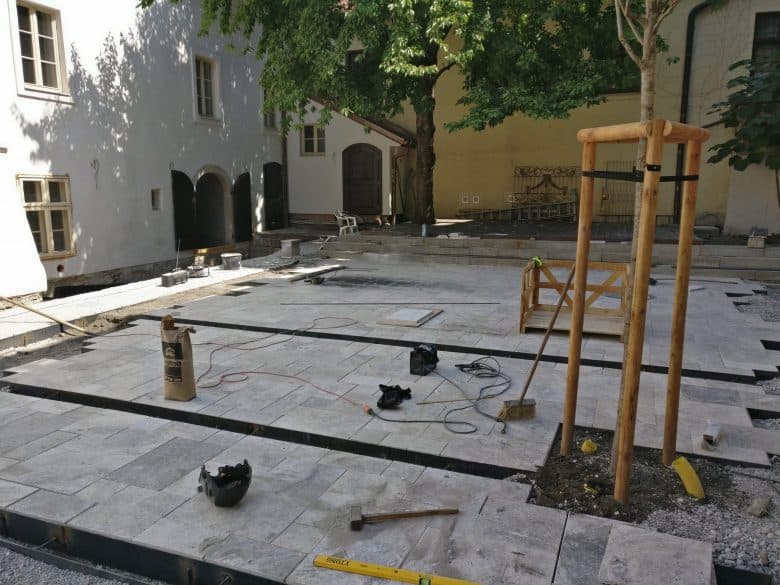
We met two for the revitalization of the interior of the house committed architects Katka Šimončičová and Eva Šperka. We reconstructed the stone elements in the exterior and the retaining wall in the garden of the house. We have traditionally prepared Kapitulské dvory (Open courtyards at Kapitulská street event) during which hundreds of people visited the house, and we organized a few volunteer events. Guests from the Czech Republic, Martin Cára, and Vít Dvořáček performed as part of the J. K. Mertz Guitar Festival. Musica aeterna introduced Serenata a due voci (Drama per Musica) Marc Antonio e Cleopatra by Johann Adolf Hasse. The ensemble Solamente naturali also performed on our unofficial garden stage.
2017
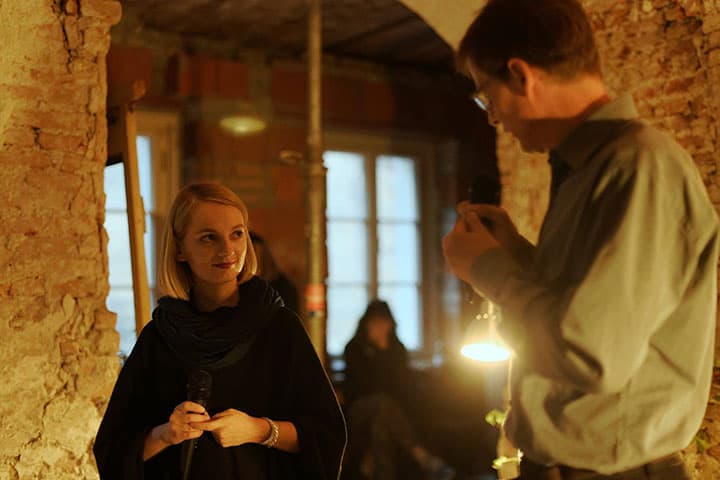
We replaced the wiring in the whole building and applied new plasters on the first and second floors. We organized a series of events Sunday at the Albechts dedicated to music, literature, and film, featuring the Mucha Quartet, Teo Gertler, Katka Máliková, Vladimír Godár, Mila Haugová, Mária Ferenčuhová, Radovan Potočár, Martin Śulík, Peter Bebjak, Martina Buchelová, and others. We worked with supporters who did not lose their courage to continue. We co-organized the Kapitulské dvory (Open courtyards at Kapitulská street event) again.
2016
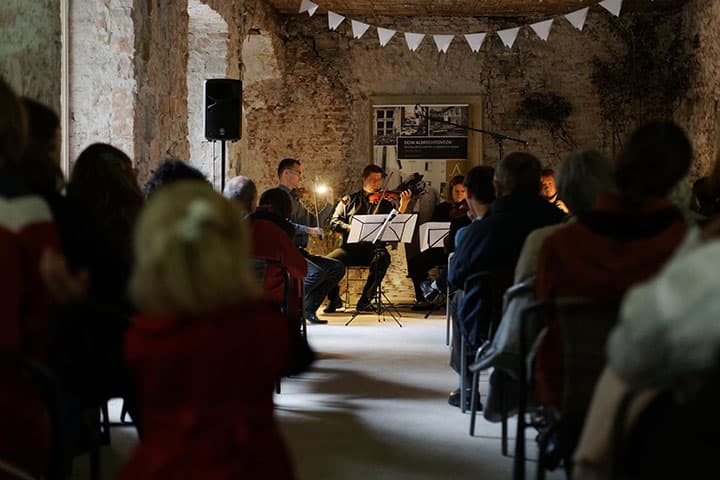
We reconstructed part of the ceilings and heating system throughout the house. The facade was completely restored. We organized a memorial concert for Ivan Parík, where the Quasars Ensemble performed, one of the May Nights was dedicated to literature, we co-organized the Kapitulské dvory (Open courtyards at Kapitulská street event), students and teachers of the Church Conservatory performed in Pinacotheca Musicae, and a concert at the J. K. Mertz Guitar Festival; back home Musica aeterna returned with Peter Zajíček, the Moyzes Quartet, Eugen Prochác, and Ján Slávik also performed.
2015
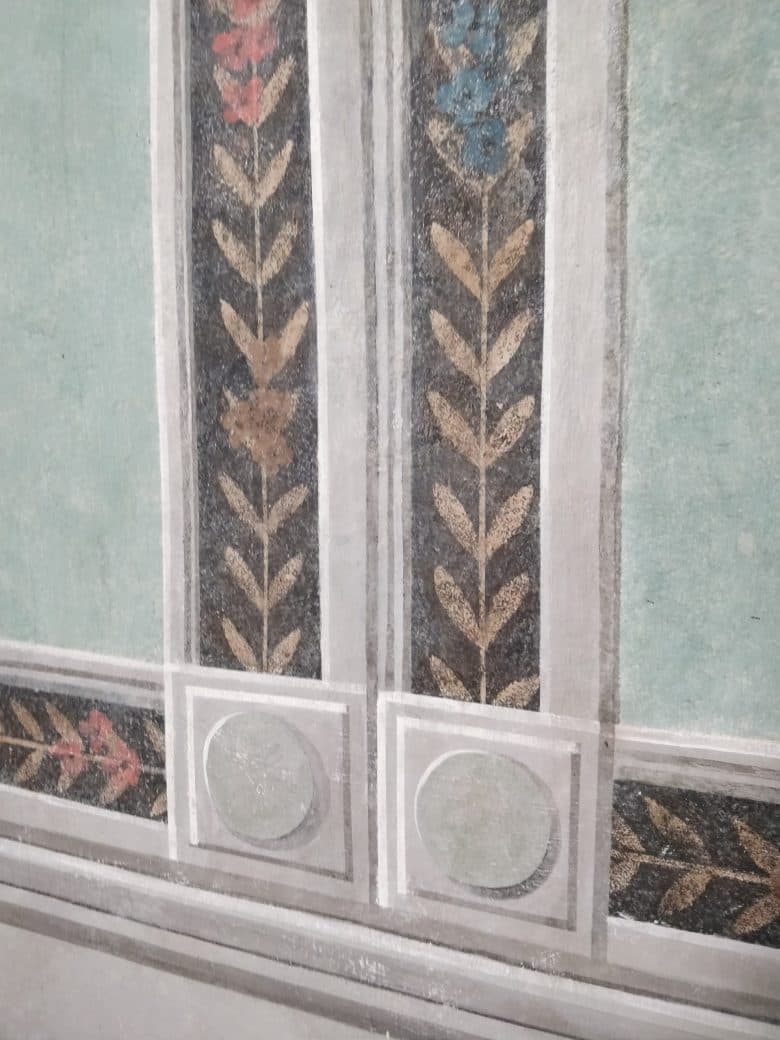
All old plumbing and wiring were dismantled, and its complete replacement began. The paintings were restored in the former Albrecht's salon, and a part of the courtyard near the eastern staircase was rebuilt. There were concerts of the J. K. Mertz Guitar Festival, Konvergencie Festival, and other performances during the spring and autumn during the Kapitulské dvory (Open courtyards at Kapitulská street event) were held. With the support of the Slovak Philharmonic, we organized a benefit concert in Reduta. The conductor James Judd performed pro bono alongside Simona Šaturová and Marian Lapšanský.
2014
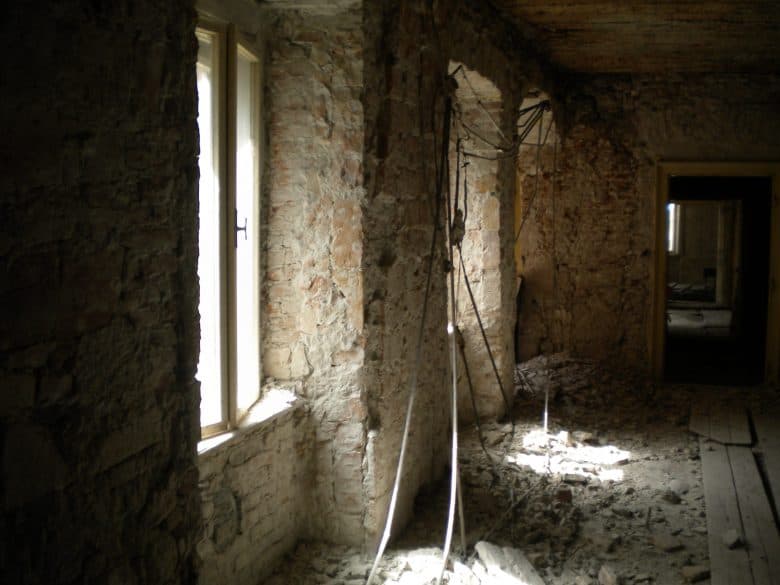
Work continued on the repair of vertical and horizontal structures throughout the building, and degraded plasters were removed. We co-organized the spring and autumn Kapitulské dvory (Open courtyards at Kapitulská street event), and we helped part-time in the preparation of the event. The J.K. Mertz Guitar Festival visited the courtyard. In the autumn, the Mucha Quartet performed on the improvised stage, as well as Martin and Radka Krajčová. The children's visitors were attracted by the performances of the Bartók and the Wooden Prince. Musica aeterna organized a concert in the Moyzes Hall to support the restoration of the house.
2013
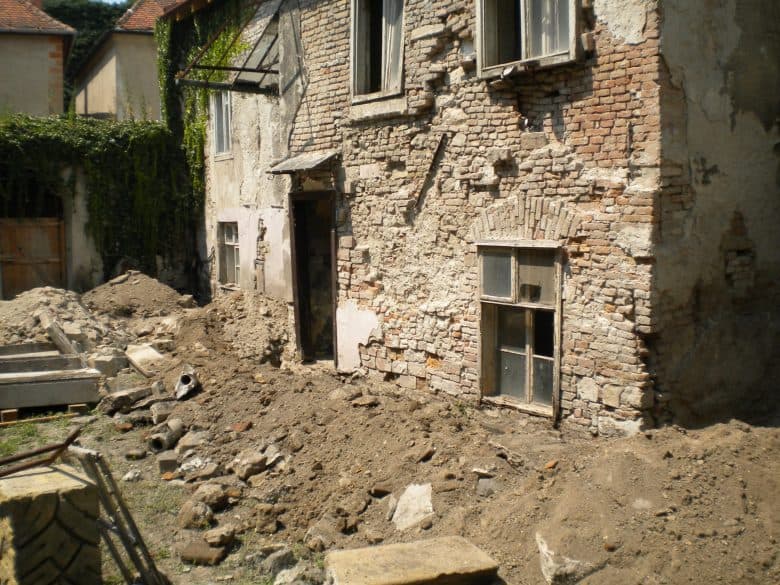
Archaeological research began in the house and the adjacent courtyard. The foundations of the building were repaired, the humidity of the vertical structures of the ground floor was repaired, the entire length of the building was dug out of the courtyard part, lowered courtyards next to the house with sewerage were created, ventilation and dehumidification of the building were installed using the IGLU system. We organized other volunteering events. Slovak fine artists donated their works to the renovation of the house, part of which was sold at an auction in SOGA.
2012
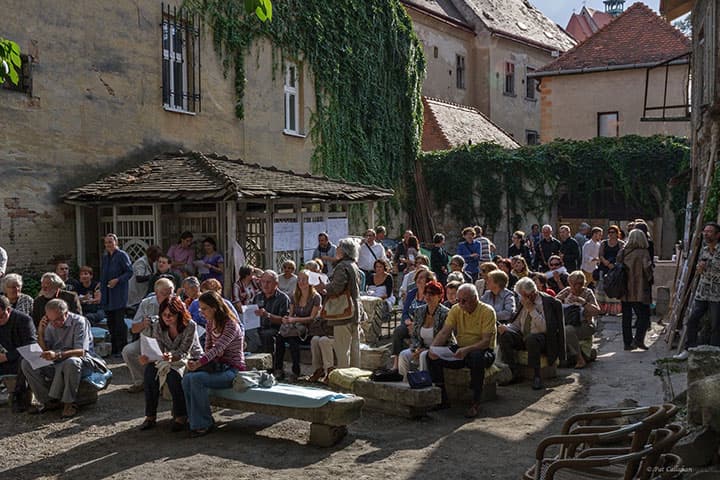
Renovation work on horizontal structures continued, and plumbing elements were replaced. An informal community of supporters and volunteers has been formed, who have long been donating funds to support the reconstruction and involved in revitalization work. We met at volunteer weekends and at the first public event - Concert in Ruins. After years, Musica aeterna played at home, and the Lotz Trio, Solamente natural, and Quasars ensemble also performed.
2011
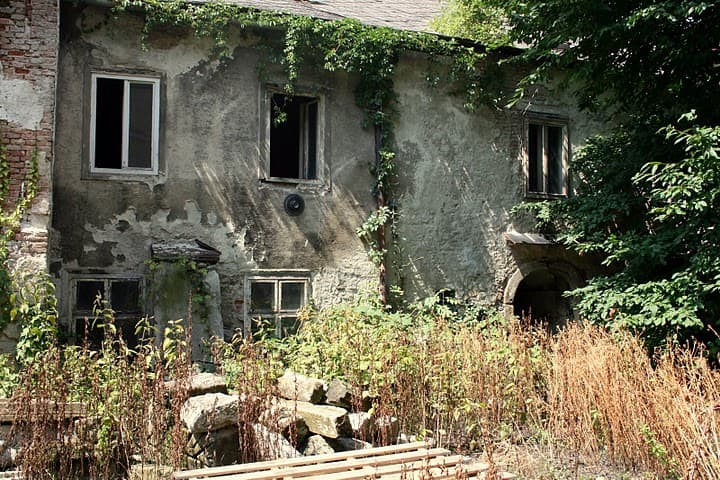
We defined the intention to restore the site, had the architectural project of the future cultural center processed by the architect Peter Mravec, submitted the project for a building permit, and carried out static security works - replacement of the ceilings of the second floor, truss, and roofing. We organized the exhibition Albrechts - Memories and Desires.
2010
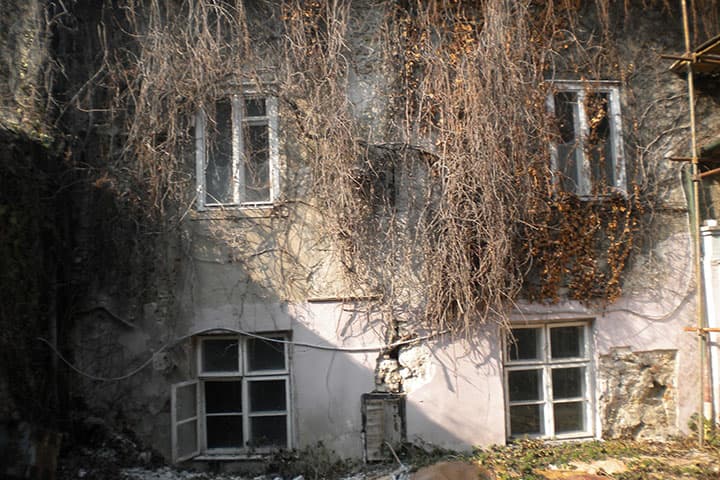
Fourteen years after Hansi's Albrecht death, we founded the civic association ALBRECHT FORUM and started a general reconstruction of the house (ruins) with a vision not to forget the Albrecht family, to commemorate their commitment to the development of our culture and to reconstruct the house for contemporaries and future generations. The bridge from the past to present days and tomorrow is built on our passion for art and knowledge. We acquired the house for long-term rent from the Bratislava Archdiocese.